
What are the types of rhinoplasty?
Augmentation rhinoplasty: This type of procedure is used to enhance the size and shape of the nose, typically by using cartilage or synthetic materials to build up the nasal bridge or tip.
Reduction rhinoplasty: This procedure is used to reduce the size of the nose, typically by removing bone and cartilage.
Revision rhinoplasty: This procedure is used to correct issues that may have occurred after a previous rhinoplasty surgery.
Functional rhinoplasty: This procedure is used to correct breathing difficulties by modifying the internal structure of the nose.
Non-surgical rhinoplasty : This is a procedure that use dermal fillers to reshape the nose.
It’s important to consult with a board-certified plastic surgeon to determine the best type of rhinoplasty for your individual needs and goals. The surgeon will take into account your facial features, skin type, medical history and any other factors that may impact the procedure.
What is aestetic rhinoplasty?
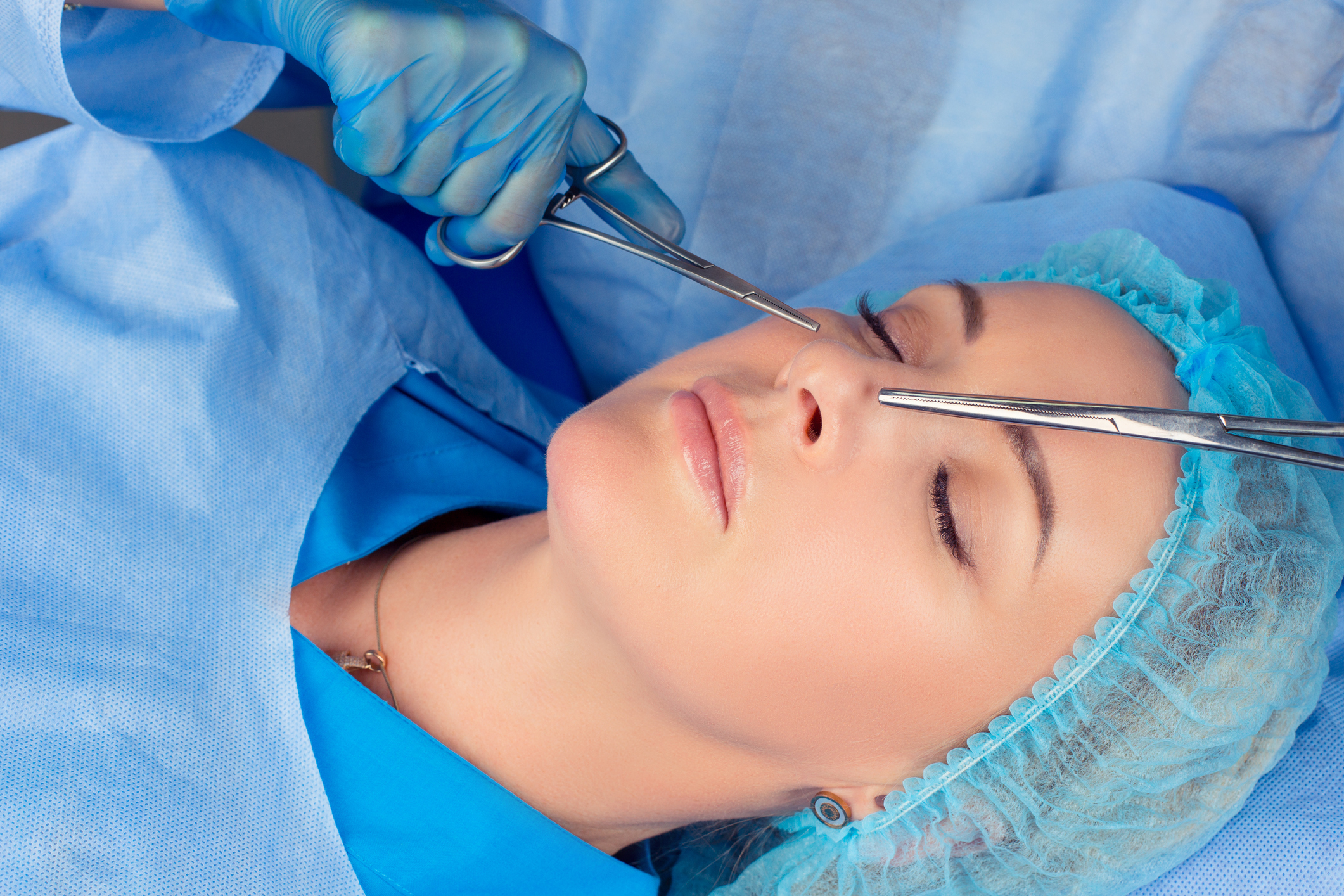
During an aesthetic rhinoplasty, the surgeon will make incisions in the nose to access the underlying cartilage and bone. The surgeon will then reshape the nose by removing, adding, or redistributing the cartilage and bone as necessary.
In some cases, the surgeon may also use synthetic materials, such as silicone or Gore-Tex, to augment the nose. The procedure may also involve the use of osteotomies, which are surgical cuts made in the bones of the nose to change its shape.
The procedure is performed under general anesthesia and the recovery time depends on the extent of the procedure. The surgeon will provide detailed instructions on post-operative care, including when to expect full healing, and what to expect during the recovery process.
What are the reasons for rhinoplasty?
Reshaping the nose to improve its appearance: This can include reducing the size of the nose, narrowing the nostrils, or altering the shape of the tip.
Correcting functional issues: This can include correcting a deviated septum, which can cause difficulty breathing through the nose.
Improving symmetry: Some individuals may have a nose that is asymmetrical, which can be corrected with rhinoplasty.
Repairing injuries: Rhinoplasty can be used to repair injuries to the nose, such as a broken nose.
Correcting congenital defects: Some individuals may be born with a congenital defect, such as a cleft nose, which can be corrected with rhinoplasty.
It’s important to note that rhinoplasty is not a one-size-fits-all procedure, and the indications for the surgery will vary from person to person. Additionally, the success and outcomes of the surgery will depend on the skill and experience of the surgeon, as well as the overall health of the patient.
In summary, Rhinoplasty is a surgical procedure that can be used to improve the appearance and function of the nose. The indications for this procedure can vary widely, but some common reasons include reshaping the nose to improve its appearance, correcting functional issues, improving symmetry, repairing injuries, and correcting congenital defects.
What is the optimal time for rhinoplasty?
How long does a rhinoplasty surgery time?
How painful is rhinoplasty?
Immediately following the surgery, patients may experience some pain and discomfort in the nose and surrounding areas. This can be managed with pain medication prescribed by the surgeon. Swelling and bruising around the eyes and nose are also common, which can cause some discomfort.
Patients can expect to experience some pain and discomfort for the first few days following the surgery. The pain should gradually decrease over the course of a week, and should be manageable with over-the-counter pain medication.
During the healing period, patients may also experience some itching and tightness in the nose. It’s also common to experience nasal congestion and difficulty breathing through the nose. These symptoms should gradually improve as the nose heals.
It is important to follow the aftercare instructions provided by the surgeon to ensure proper healing and minimize pain and discomfort. Most patients are able to return to work and normal activities within 7-10 days after the surgery.
In summary, the level of pain and discomfort experienced during the recovery period following rhinoplasty can vary from person to person. Patients should expect to experience some pain and discomfort, but this can be managed with pain medication and should gradually decrease over the course of the healing period.
What is the healing timeline after rhinoplasty?
Day of Surgery: The patient will be under general anesthesia during the surgery, and go home the same day. Ice packs will be used to reduce swelling, and the patient will be instructed on how to use them, as well as any topical ointments. Stitches and splints may be removed after one week.
1-2 Weeks: The patient will experience some swelling, and bruising around the nose and eyes will start to fade. Pain should be minimal and easily controllable with over-the-counter pain medication.
3-4 Weeks: Almost all visible signs of the surgery will be gone and it is safe to return to cardio workouts. The new shape of the nose will be more well-defined with the continued reduction of swelling.
6 Weeks: The patient can resume weight-bearing exercises and wear glasses.
3-6 Months: Any issues with sensation inside the nose or on the skin of the nose will start to resolve.
1 Year: The healing process is complete, with the new nasal shape fully formed, all swelling gone, and the tip of the nose more refined.
How to speed up rhinoplasty recovery?
First, it is important to follow all post-operative instructions provided by the surgeon. This may include taking prescribed medications as directed, avoiding strenuous activity and avoiding blowing the nose for a certain period of time.
Second, keeping the head elevated and icing the area can help to reduce swelling and bruising. Applying a cold compress to the area for the first few days after surgery can also help to reduce inflammation and promote healing.
Third, it’s important to avoid smoking or drinking alcohol as these can delay healing and increase the risk of complications.
Forth, keeping the incision site clean and dry can help to prevent infection. This may include using antibiotic ointment and changing bandages as directed by the surgeon.
Another important aspect of recovering after rhinoplasty is to avoid wearing glasses or sunglasses on the nose for a certain period of time. This can put pressure on the nose and impede the healing process. The surgeon will typically advise on when it is safe to start wearing glasses again.
If you need to wear glasses, you can use a special clip-on or “spectacle retainers” which attaches to the frames of the glasses, and sits over the nose bridge, avoiding any pressure on the nose.
It’s also important to avoid strenuous activities and heavy lifting for a period of time after surgery, as these can increase blood flow to the face and may cause increased swelling and bruising.
In general, it is important to be patient and follow the instructions provided by the surgeon to ensure proper healing and optimal results.

Consultation
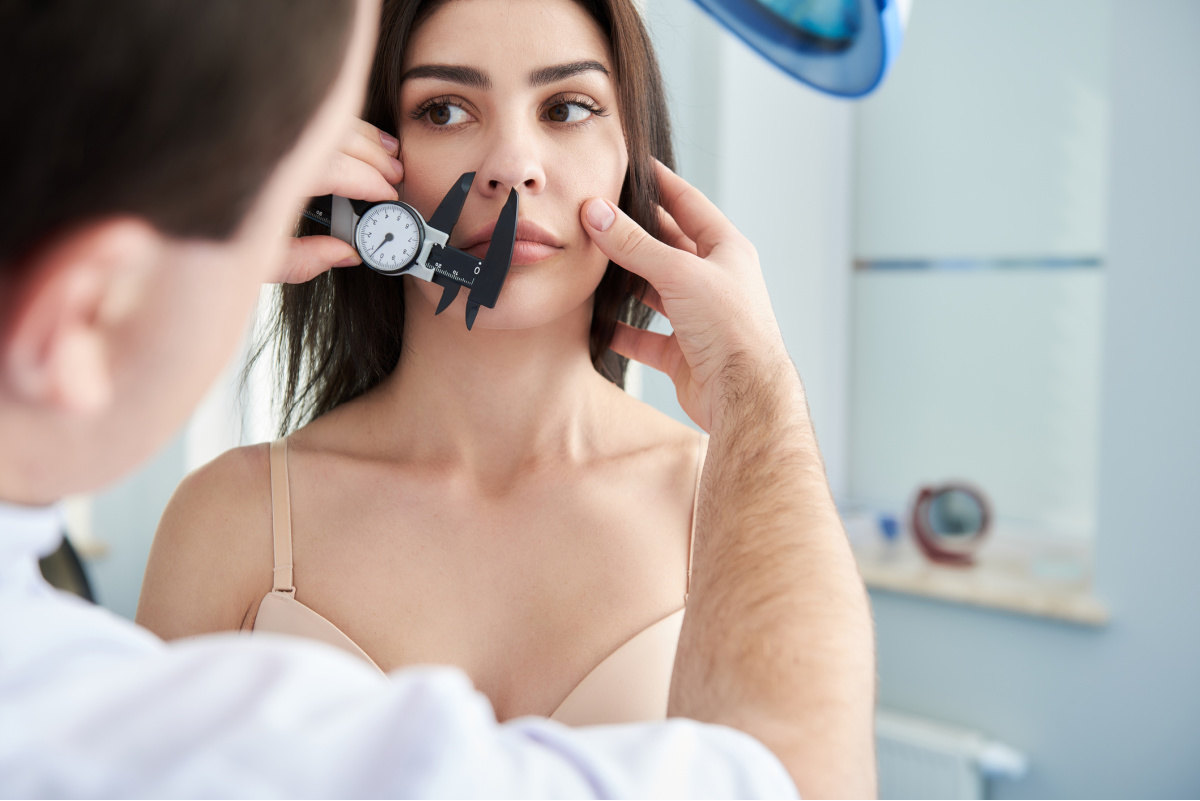
The consultation process typically involves a discussion with a plastic surgeon to determine the desired outcome and to evaluate if the patient is a good candidate for the procedure.
Surgical plan
The surgical plan is developed during the consultation and will be tailored to the specific needs and goals of the patient.
The steps of a rhinoplasty procedure typically involve the following:Anesthesia
The patient will be given either general anesthesia, which puts them to sleep during the surgery, or local anesthesia, which numbs the area being operated on.
Incision
The surgeon will make incisions on the inside of the nose (closed rhinoplasty) or on the columella (open rhinoplasty).
Reshaping
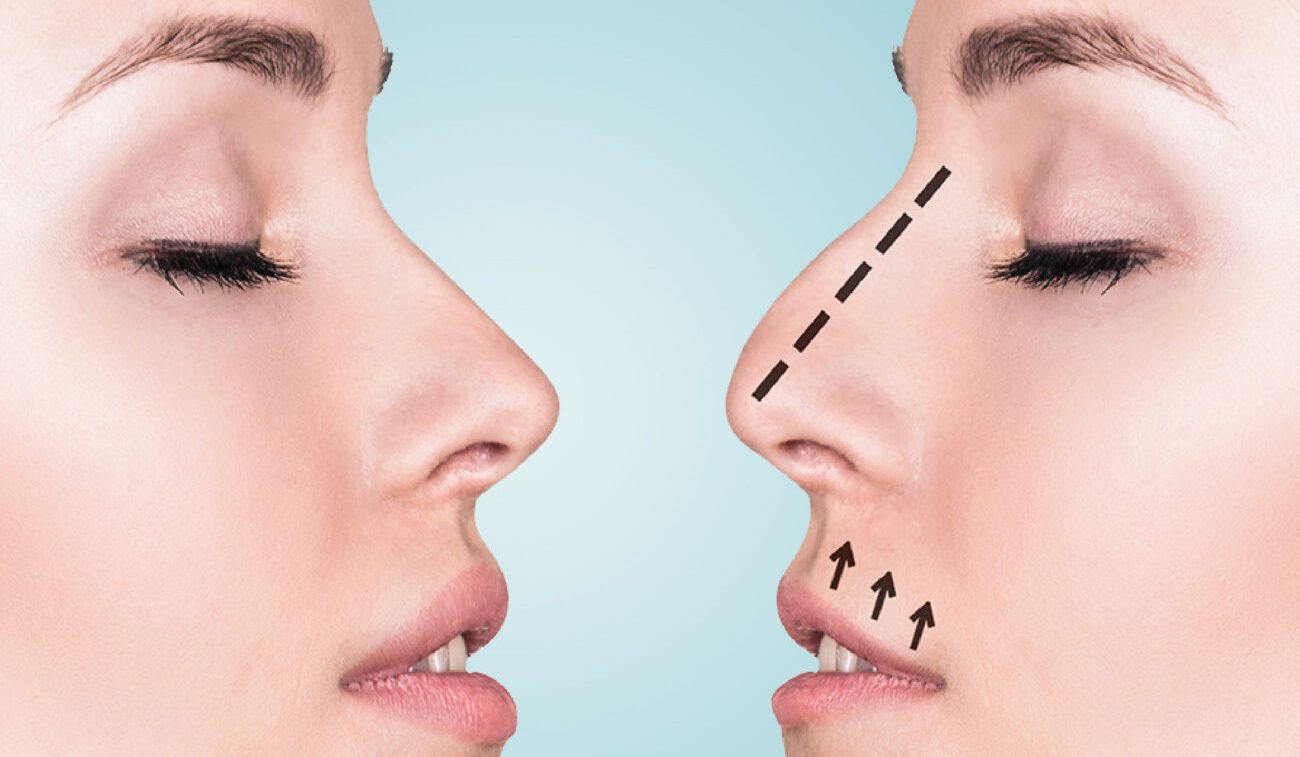
The surgeon will then reshape the cartilage and bone to achieve the desired look. This may involve removing, adding, or reshaping tissue.
Closing incision
The incisions will be closed with sutures or surgical tape.
Placement of splints and packing
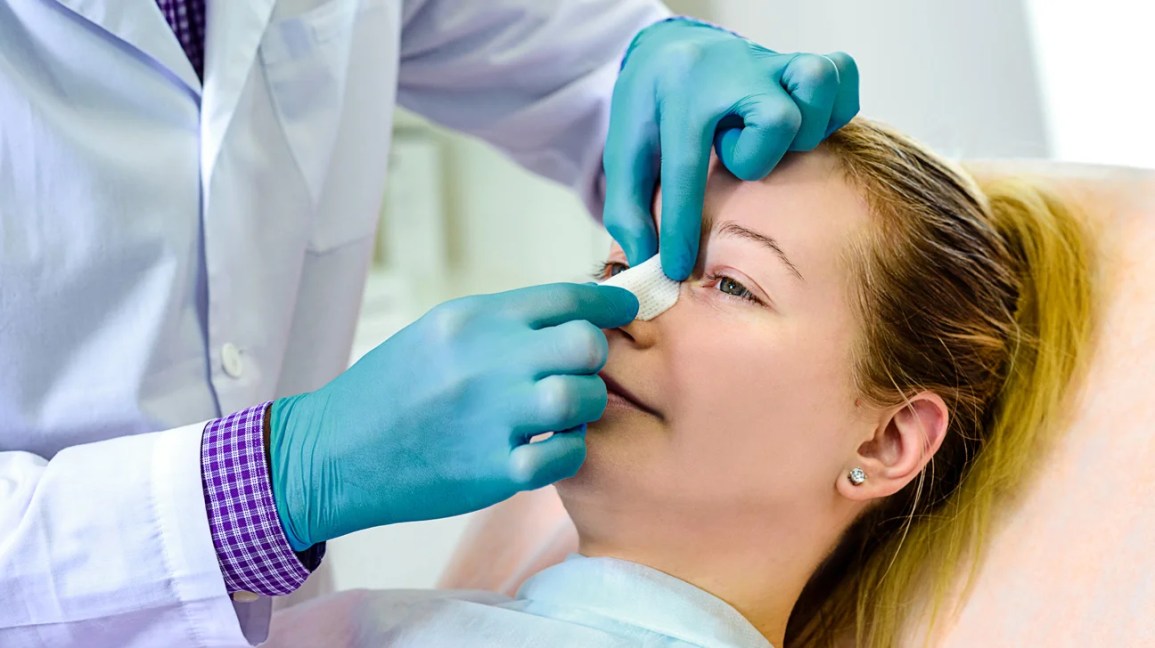
The surgeon may place splints inside the nose and packing outside the nose to help support the new shape and to reduce swelling.
Recovery
The patient will be monitored while they recover from the anesthesia. They will be given instructions on how to care for themselves at home and when to follow-up with the surgeon.